From Paris to Jakarta: Rebuilding a Reuse System That Was Once Mainstream

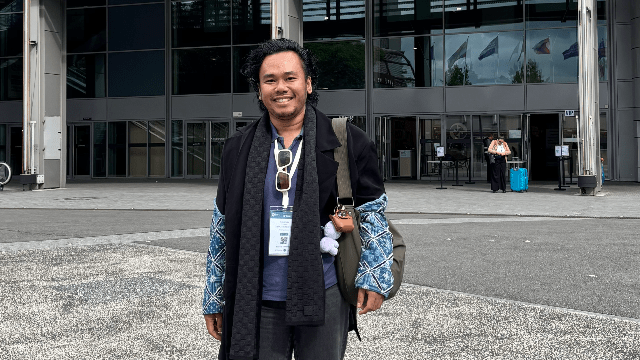
By Rahyang Nusantara
Deputy Director, Dietplastik Indonesia
Founder, AGUNI (Indonesian Reuse Association)
Co-convenor, Asia Reuse Consortium
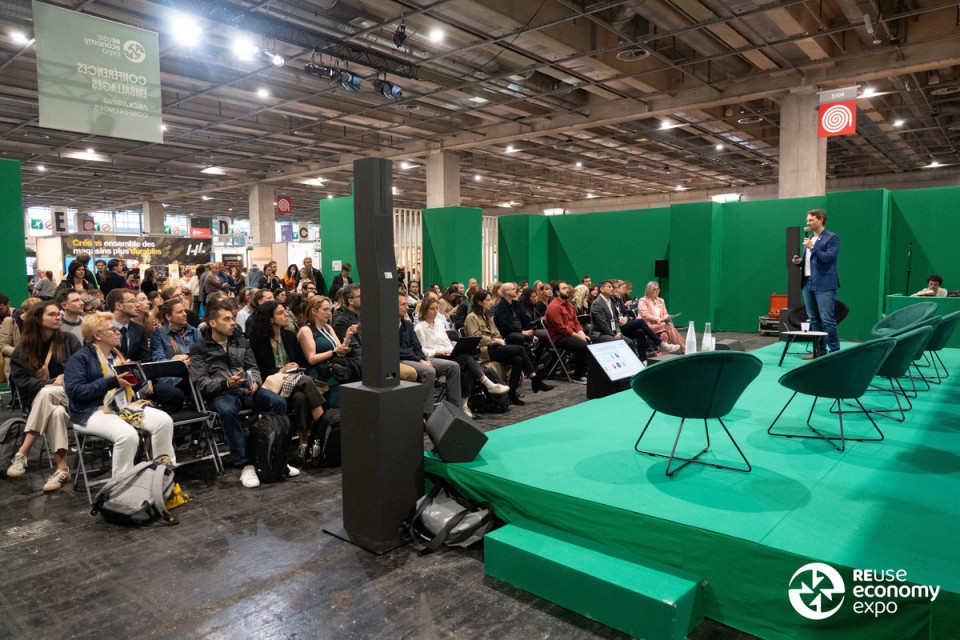
At the end of May 2026, I had the opportunity to attend the Reuse Economy Expo 2026 in Paris, France, while also participating in the inaugural meeting of the Global Reuse Alliance (GRA), which brought together organizations, businesses, standards developers, financial institutions, and advocacy networks from around the world working to accelerate the transition toward reuse systems.
In addition to attending various sessions at the Reuse Economy Expo, I also joined a site visit to Lille, in the Hauts-de-France region, to observe one of France’s largest reuse pilot projects, supported by Citeo and implemented by reuse operators Haute la Consigne and GO! Réemploi.
This visit provided a valuable opportunity to see how reuse functions not merely as a policy concept, but as a real-world infrastructure system that must operate every day while meeting food safety standards, logistical efficiency requirements, and positive consumer experiences.
The journey reinforced an important conviction: the future of reuse no longer depends on our ability to prove that reuse is possible. The challenge now is how to make it scalable.
Reuse Is Not a New Innovation
One of the most striking data points presented at the Reuse Economy Expo showed that approximately 35% of beverage packaging globally was reusable in 1999. Today, that figure has fallen to only around 14%. This finding fundamentally changes how we view reuse.
For many years, reuse has often been framed as a new innovation, a circular economy experiment, or an environmentally conscious lifestyle choice. Yet history tells a different story. Reusable milk bottles, water gallons, beverage containers, food packaging, and various return systems were once a normal part of everyday life.
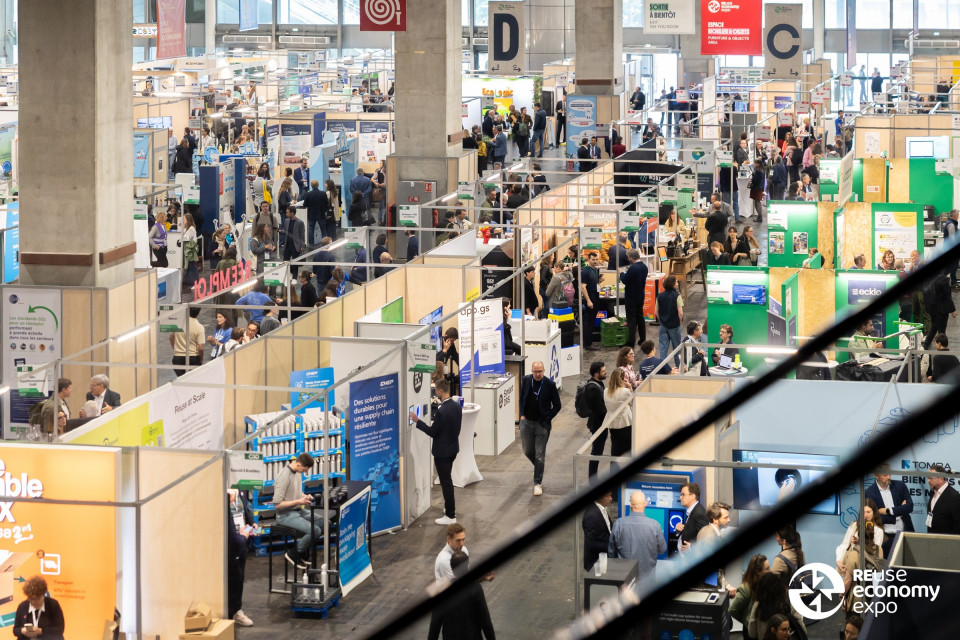
This means our challenge is not to invent something entirely new. Our challenge is to rebuild a system that once worked but was displaced by the economics of single-use consumption.
This narrative is important, particularly when engaging with governments, businesses, and international processes such as the Global Plastics Treaty. Reuse is not a utopian idea. It is a system that once operated at scale and now needs to be modernized through contemporary technology, regulation, and infrastructure.
From Pilots to System Transformation
A recurring theme throughout many sessions was that reuse initiatives often fail not because the technology does not work, but because the surrounding system has not been built collectively. For years, many companies have attempted to create their own proprietary reuse systems. Each developed different packaging formats, different return mechanisms, and different logistics models. As a result, costs increased and scale became difficult to achieve.
In Paris, speakers repeatedly emphasized that the future of reuse depends on:
- Supportive public policy;
- Packaging standardization;
- Shared infrastructure;
- Interoperable logistics systems;
- Compatible tracking mechanisms; and
- Cross-brand and cross-sector collaboration.
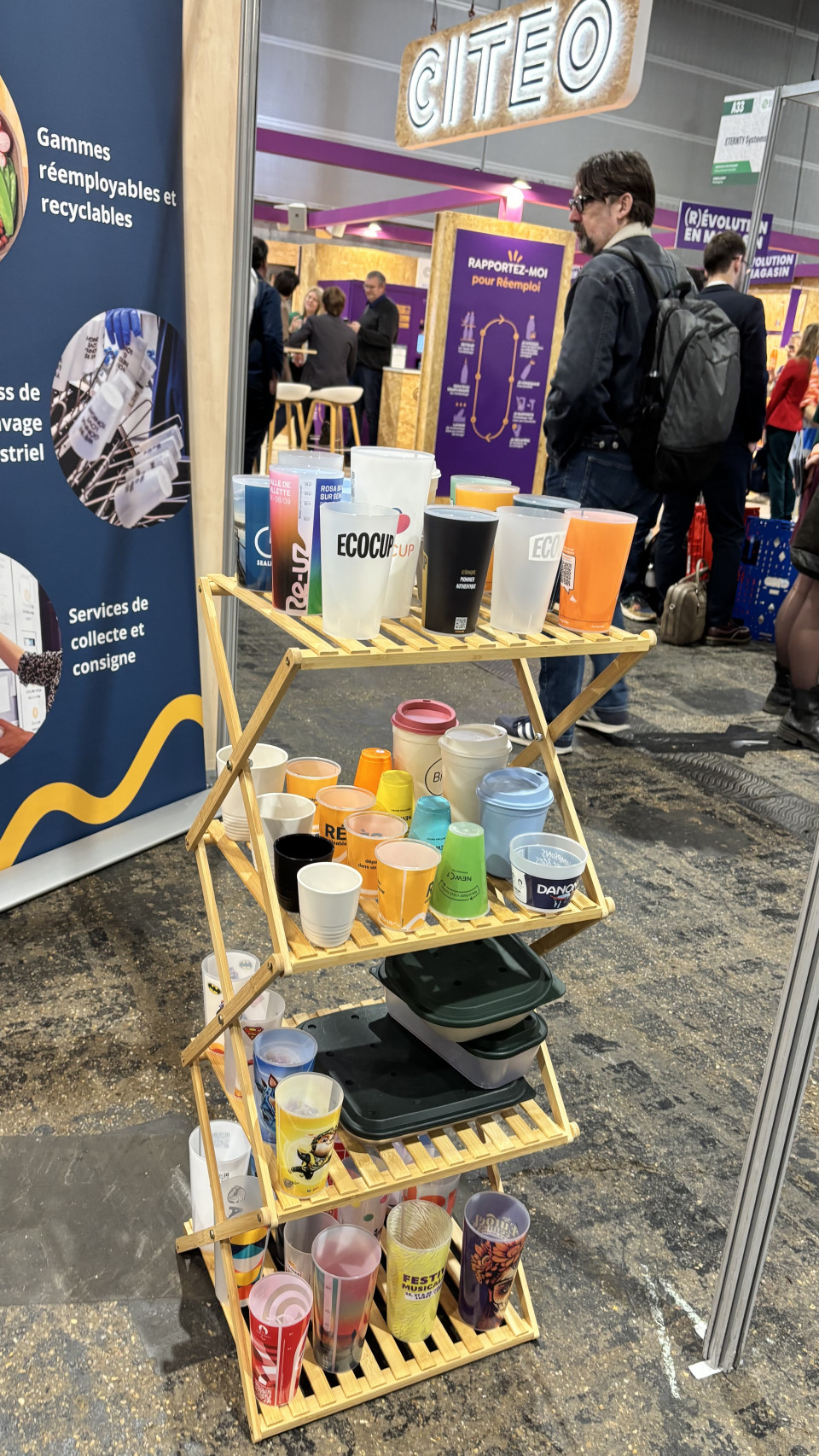
In other words, reuse must be treated as shared infrastructure rather than an individual project. This lesson is highly relevant for Indonesia. If every company builds its own isolated system, costs will remain high and consumers will face fragmented and confusing experiences. Conversely, when systems are designed for shared use, costs can be reduced and packaging return rates can significantly improve.
Data Is Becoming the New Backbone of Reuse Systems
Another fascinating insight was how digitalization has become an inseparable component of modern reuse systems. Across Europe, QR codes, digital identification, electronic deposit systems, and real-time monitoring are already part of daily operations. These systems enable operators to understand how many packages are in circulation, return rates, loss rates, and the number of rotations achieved by each reusable asset.
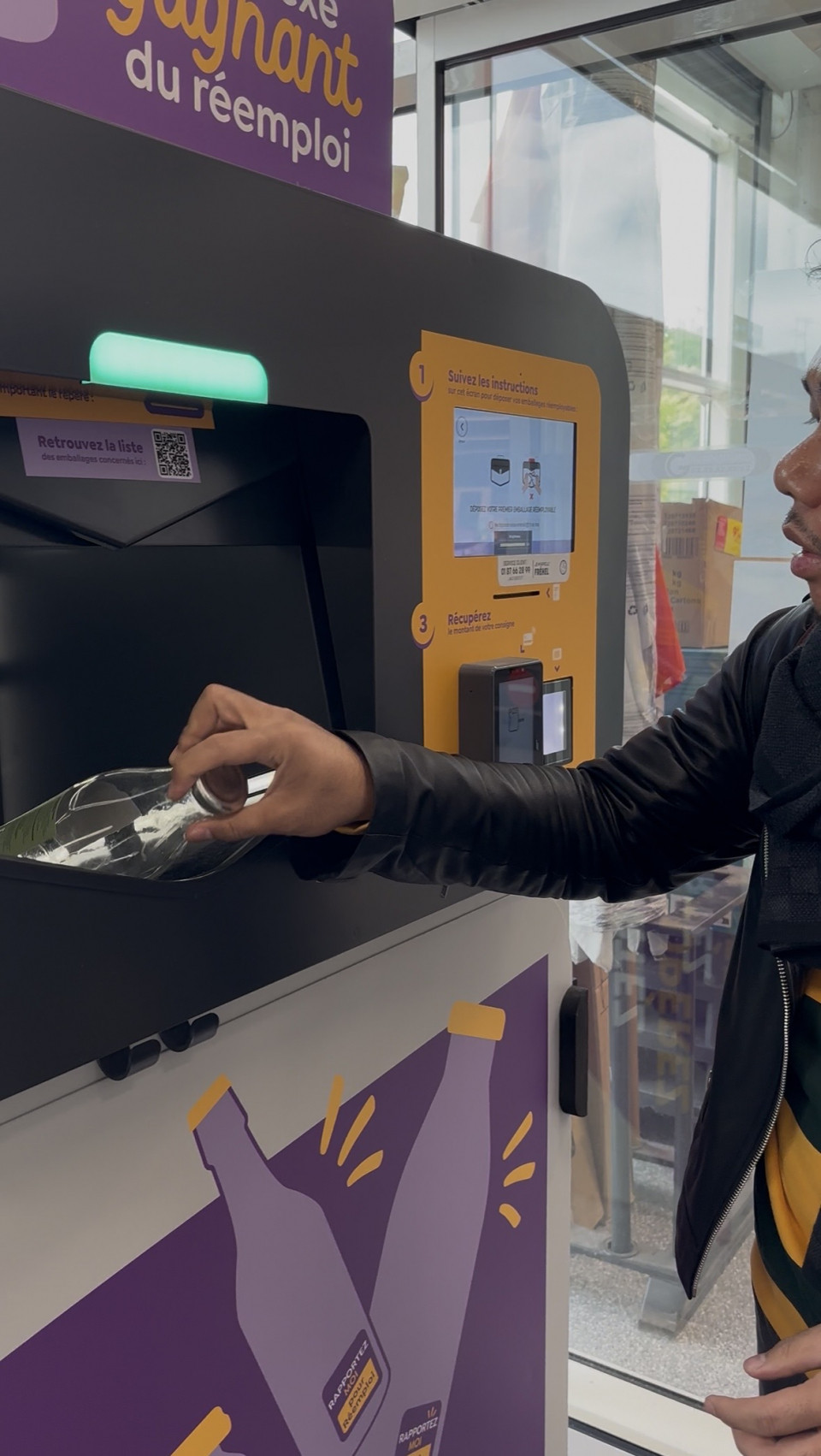
The site visit to Lille demonstrated how businesses are developing matrix-code tracking systems to improve inventory management and the monitoring of bottles circulating throughout the system. This experience closely connects with ongoing discussions in Indonesia around Monitoring, Reporting and Verification (MRV), EPR registries, eco-modulation, and digital reporting systems. In the future, the ability to manage data may become just as important as the ability to wash or distribute reusable packaging.
Why Labels Turn Out to Be So Important
One session that initially appeared highly technical ended up providing some of the most valuable lessons. A presentation on adhesive labeling revealed that labels are not merely branding tools. Within a reuse system, labels are part of the infrastructure.
Labels must remain durable while consumers use the product, but they must also be removable during washing processes without leaving adhesive residue that could compromise hygiene and operational efficiency.
At the washing facility we visited in Lille, labels had become one of the major operational bottlenecks—so much so that the facility employs its own adhesive specialist. Labels that are difficult to remove can slow washing processes, increase labor requirements, and reduce overall system efficiency.
The key lesson is that the success of reuse is often determined by details that seem minor. It is not only the container that must be designed for reuse, but every component associated with it.
Washing Facilities Are Strategic Infrastructure
Many people imagine reuse simply as collecting packaging and washing it. The reality is far more complex. Discussions on washing facilities highlighted that these operations must meet extremely high standards, approaching those found in food and pharmaceutical industries. Processes include quality inspections, defect control, air quality monitoring, contamination prevention, and strict storage management systems.
In Lille, we observed bottles moving through multiple stages, including manual sorting, washing at temperatures of approximately 75–80°C, automated inspections using cameras and sensors, and controlled storage before being returned to producers. The facility currently processes around 300,000 bottles per month.
This experience made it clear that if Indonesia aims to build large-scale reuse systems, investments must extend beyond reusable packaging itself. Supporting infrastructure such as collection centers, washing facilities, quality-control systems, and tracking mechanisms will be equally important.
Lessons from the Inaugural Global Reuse Alliance Meeting
Alongside the Reuse Economy Expo, I also participated in the inaugural Global Reuse Alliance (GRA) meeting, an initiative seeking to strengthen global coordination around reuse systems. The discussions revealed that the global reuse movement is entering a new phase.
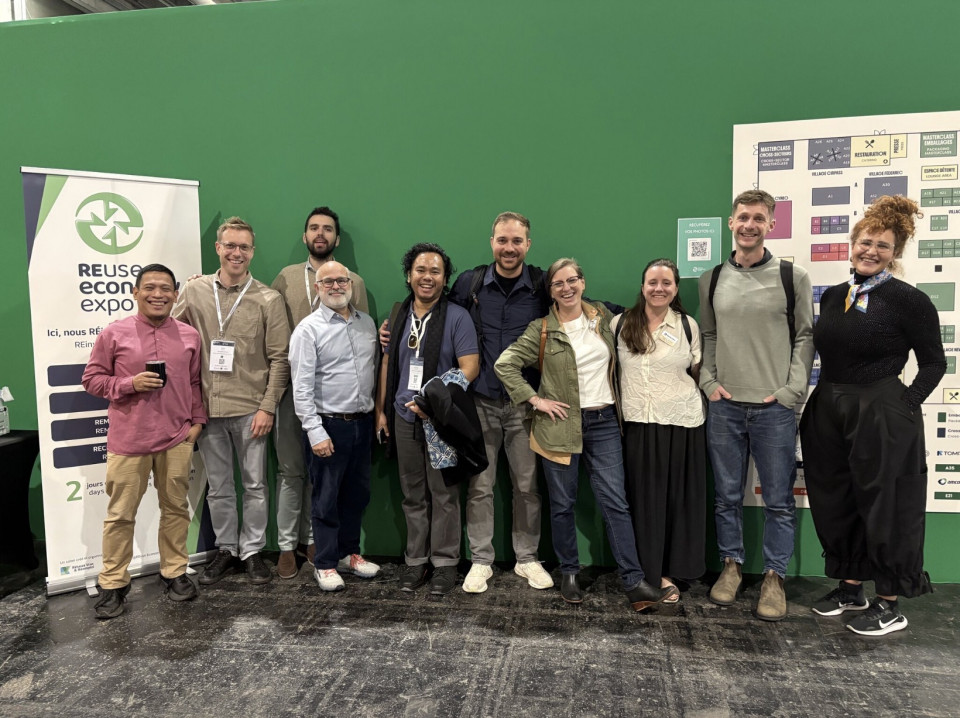
Previously, many organizations focused on proving that reuse could work. Today, attention is increasingly shifting toward larger questions:
- How do we build global standards?
- How do we accelerate financing?
- How do we ensure interoperability?
- How do we connect policy, business, and on-the-ground implementation?
One of the most interesting debates focused on ensuring that the definition of reuse is not dominated solely by perspectives from developed countries. Many participants from the Global South emphasized that reuse is not only about packaging. It also includes repair, refill, shared-use systems, and various circular economy practices that have existed within communities for generations.
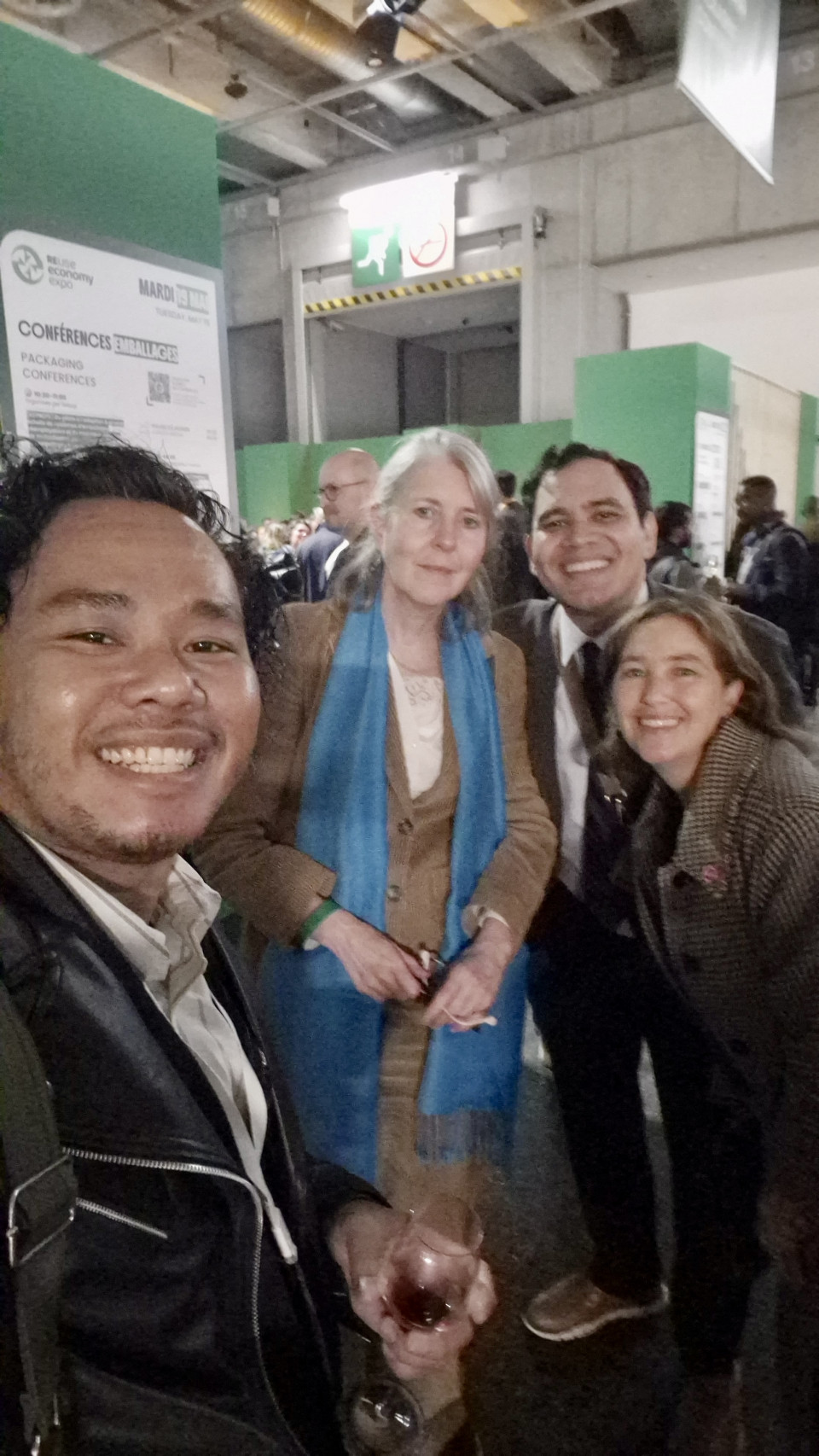
For me, this discussion strongly resonated with the journey of both the Asia Reuse Consortium and the Indonesian Reuse Association (AGUNI). Organizations like ours are not primarily operators. Rather, we serve as bridge-builders, bringing different actors together, aligning standards, translating policy into practice, and reducing the fragmentation that often prevents reuse systems from scaling.
What Does This Mean for Indonesia?
Returning from Paris, I became even more convinced that Indonesia has a significant opportunity to become one of Asia’s leaders in the reuse transition. We already possess several important foundations: a growing network of reuse businesses, implementation experience across multiple cities, increasing support from local governments, and growing national policy momentum through the development of a Ministerial Decree on Reuse Systems and the strengthening of Extended Producer Responsibility (EPR) policies.
However, the lessons from France demonstrate that the next step is not simply creating more pilot projects. More importantly, we must build the foundations of the system itself:
- Strong policy frameworks;
- Clear standards;
- Shared infrastructure;
- Reporting and tracking mechanisms;
- Washing systems that meet appropriate standards;
- Replicable business models; and
- Sustainable cross-sector collaboration.
Ultimately, the transition toward reuse is not simply about replacing single-use packaging with reusable alternatives. It is about rebuilding an economic system that is more efficient, more resilient, and more equitable. And as I heard repeatedly throughout my time in Paris:
“Single-use became dominant because industries coordinated around it. Reuse will only scale if we coordinate even better.”
Bahasa Indonesia version: https://plasticdiet.id/dari-paris-ke-jakarta-membangun-kembali-sistem-guna-ulang-yang-pernah-menjadi-arus-utama/

Comments0
Please log in to see or add a comment
Suggested Articles